My Love, God Is Everywhere, Author Q&A with Victoria Robb Powers and Cameron Mason Vickrey
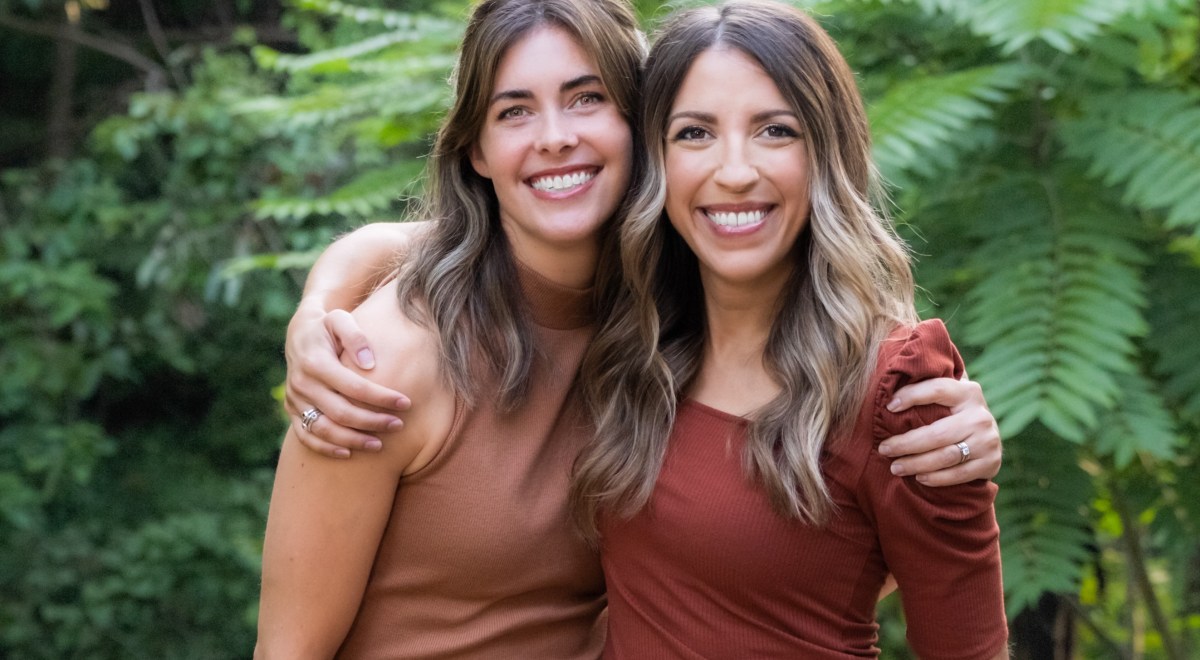
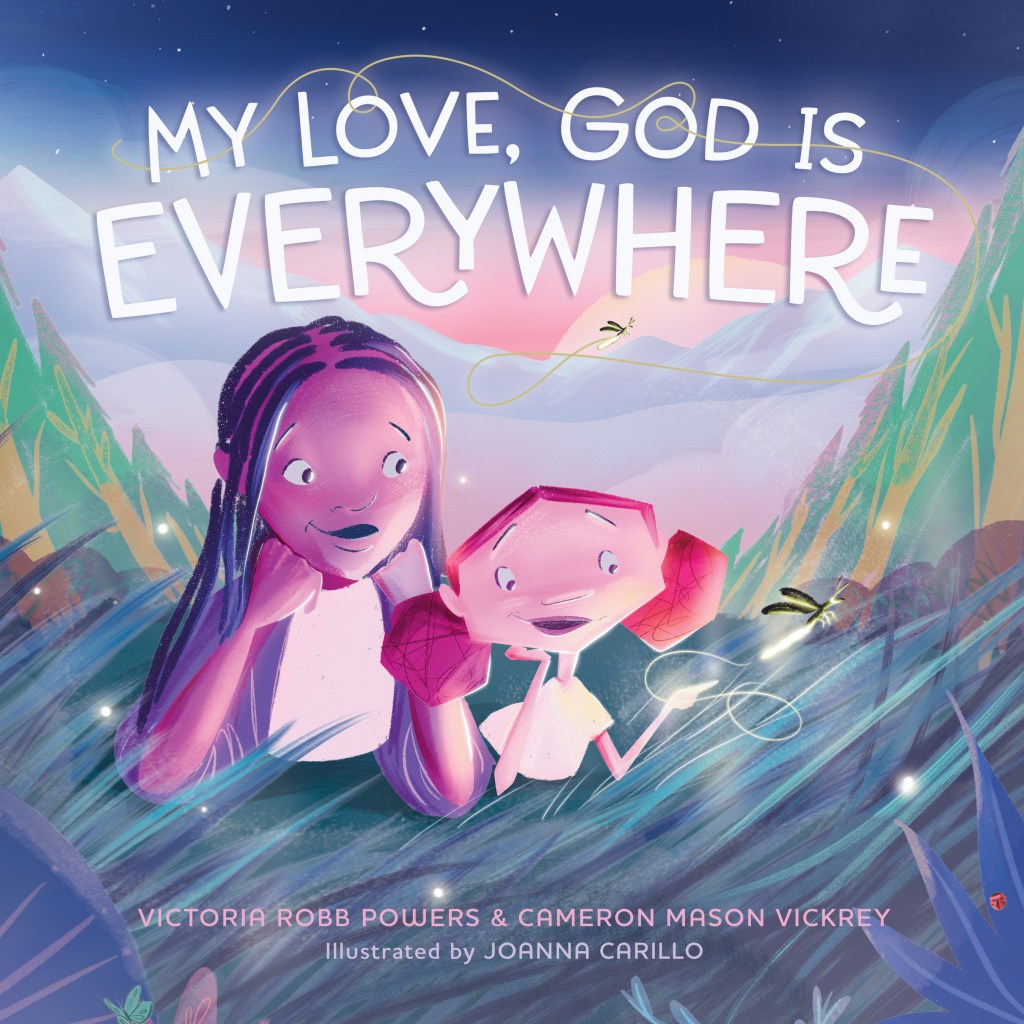
There is something about children’s books that makes them so memorable. We are featuring today the authors of the new beautiful book My Love, God Is Everywhere (released August 15, 2023). It makes the perfect gift for all ages. Pick up your copy, here. A special thank you to Icon Media Group for making this interview possible!
We chat about great questions from children, identity and upcoming projects from the Reverend Mamas.
Modern Witnesses (“MW”): What was your goal and inspiration in writing My Love, God Is Everywhere, which addresses the presence of God for young ages?
We wanted to provide children with a foundational introduction to God, one that would introduce them to an expansive, inclusive theology they won’t have to heal from later. We chose to do this by answering a question our own children have asked us many times: Where is God? Children are naturally curious about God’s location – in heaven, in the clouds, in our hearts, etc. But it is a question that remains with us and evolves into something more existential as we grow. When we go through difficult times, we ask, “Where are you, God?”
The specific questions the child asks in the book affirm the many different ways and places we see God. We surveyed lots of children and adults to learn where they encounter God, and incorporated many of those answers into the book. For example, the most common response we received was that people see God in their dog. They feel close to God when they are with their dog. We felt this was a wonderful and concrete way to give permission to children to explore their connection to God. (And children can look for the dog showing up in many of the illustrations!)
Ultimately, we hope that children read this book and begin to trust in God’s presence. Many times, we overemphasize the presence of God’s power in the world, and forget to celebrate the power of God’s presence.
MW: One of the themes in your book is that humans make mistakes. How do you approach the idea of distinguishing between mistakes and identity (meaning a mistake does not make you a bad person)? What strategies or lessons can parents use to instill this understanding in their children?
In the book, we intentionally reframed the language of the child’s question in the mother’s answer. The mother responds to the question – “Is God here when I’m good or there when I’m bad?” – with a subtle, but important distinction: “God is there when we mess up, when we make a choice that isn’t best. It doesn’t mean your bad. It just means you’re human – like all the rest.”
Children tend to think in binaries – black and white, up and down, right and wrong, good and bad. They learn opposites from a very early age, so this kind of thinking is natural. However, it’s important to let kids know that despite their mistakes, they are never bad. By nature of being children of God, they are born good, and they are always good.
A helpful strategy to instill this in your children is to refrain from using the word “good” when describing their behavior – ie. “You’re such a good girl for doing that” or “Good boy, that was really kind.” Sometimes using “good” as a descriptor for a child can make them think that there are times when they are “bad.” Instead of using adjectives to affirm a child, use nouns. Like, “what a great helper you are!” or “you’re a terrific problem solver!” Good is who they are permanently, not a descriptor for their ever-changing behavior.
MW: You include the realities of death and betrayal in your book as well. How would you encourage parents speak to their children about complex issues?
With mystery and wonder and humility. Be a good listener. Don’t rush to easy answers. When answering questions about deep and complex issues, only say what you know, and admit it when you don’t. You know God is good. You know God loves you.
For example, when children ask why God lets bad things happen (and they do ask this!) – answer the question very specifically. Why does God let bad things happen? God doesn’t. Bad things do happen, but God is good! God wants good things for you. God is with you through it all to give comfort and strength.
When children ask about death, hold that mystery together. It’s ok to wonder imaginatively about what heaven might be like. But remember that we really can’t know, and that’s ok. Reiterate what we do know: God is good. We will go to God, and we can trust in that.
“Don’t rush to easy answers. When answering questions about deep and complex issues, only say what you know, and admit it when you don’t.”
MW: What rituals or habits have you both instilled in your children to cement the truth that God is always present?
We ask our children two questions every night before bed. They are: Who is always with you? And, who are you? The answer to the first question is God, and the answer to the second question is a child of God. We find that these two questions help them to remember that no matter where they are or how they feel, God is with them. If like if great, and they feel happy, God is there. If life is troublesome, and they feel grief, God is there. Repeating this simple question every night instills a confidence in them that no matter what life throws their way, they will never have to walk through anything alone. Nothing can separate them from the presence and love of God.
The second question reminds them of their identity. Regardless of how anyone sees them, or how they might see themselves, they are first and foremost a child of God. We want our kids to know that powerful and prominent truth, because it helps to remember that they are always good (even if they make mistakes) and that they always belong.
“Regardless of how anyone sees them, or how they might see themselves, they are first and foremost a child of God.”
MW: The structure of the book is question and answer. What is the most memorable question a child has asked you?
Children are such good question askers! Part of the reason for the structure of the book is to remind parents that the best conversations can result from taking a child’s question seriously. Our own relationships with God and theology about God is often shaped by the conversations that follow a child’s question.
One of my children recently asked me how God’s magic works. After a few clarification questions, I realized she was asking about the power of prayer. How does God respond to our requests? How does God work in the world? But it was more than that too – she was wondering about God’s creative powers. How does God create something out of nothing? It does seem pretty magical when we step back to wonder about it all. And this is the best advice I can give to parents – keep encouraging your kids to wonder about the mystery of God. Even if you don’t know the answers, the wonder is a spiritual practice in itself.
Another very memorable question came from a 7th grade boy I was teaching in Sunday school. His dad left his mom, his brother and him at an early age, and they have not had much contact since. He was wondering how, if God loves everyone, how could God love even his dad? I shared with him that love is not the same thing as approval. Love is a complex force. It contains joy, yes, but also sorrow and grief and anger. And when his dad left them, God mourned that loss. God angered at the pain that this person caused. God does the love his dad and longs for him to repent and do right.
MW: Can you discuss some of the resources and tools that Reverend Mamas offers to parents? How can parents benefit from being part of the Reverend Mamas online community?
Reverend Mamas is an online platform created to help parents who choose to raise their children in the Christian faith. Originally, we wrote our book with an assumption that there weren’t many progressive, Christian books for kids. One of the joys of creating Reverend Mamas is that we’ve come to find lots of other like-minded authors and pastors who are also passionate about giving children a good, sound, and safe theology. Therefore, part of the benefit of our community is that parents can find more resources that are suitable to use at home.
Reverend Mamas shares faith-based books and curriculum for kids that we highly recommend. We also provide devotional content and theology for kids. We share great conversation starters, tips for talking to kids about faith, and even tools for children’s ministries when it comes to engaging kids in the church.
MW: What are you currently reading and what have you learned from it?
We are currently reading Good Inside by Dr. Becky Kennedy. This book is teaching us how to raise emotionally healthy, resilient kids. It’s also teaching us how to be more compassionate towards ourselves as parents, which we all need.
One of the greatest gifts of this book is that it’s helped us to learn the difference between shaping behavior and raising children. We want to raise our children in the faith with the hopes that they become kind, helpful, and compassionate adults. This book is giving us practical tips to think beyond reward charts and time outs, and focus more on the goal of raising generous, loving human-beings. We highly recommend.
MW: What other projects from Reverend Mamas should we keep on our radar?
Follow us on Reverend Mamas to keep up with future books we hope to release over the next year or two. We are leading a family retreat soon, and we’re always open to leading more events of the like. We hope to continue to share great resources for parents, caregivers, and churches when it comes to raising children in the faith. Look out for more!
MW: We love asking this question from all who are interviewed—how would you describe Christianity in one sentence?
God loves you and is always with you.
Buy a copy of My Love, God Is Everywhere here!
Find free activity pages here.
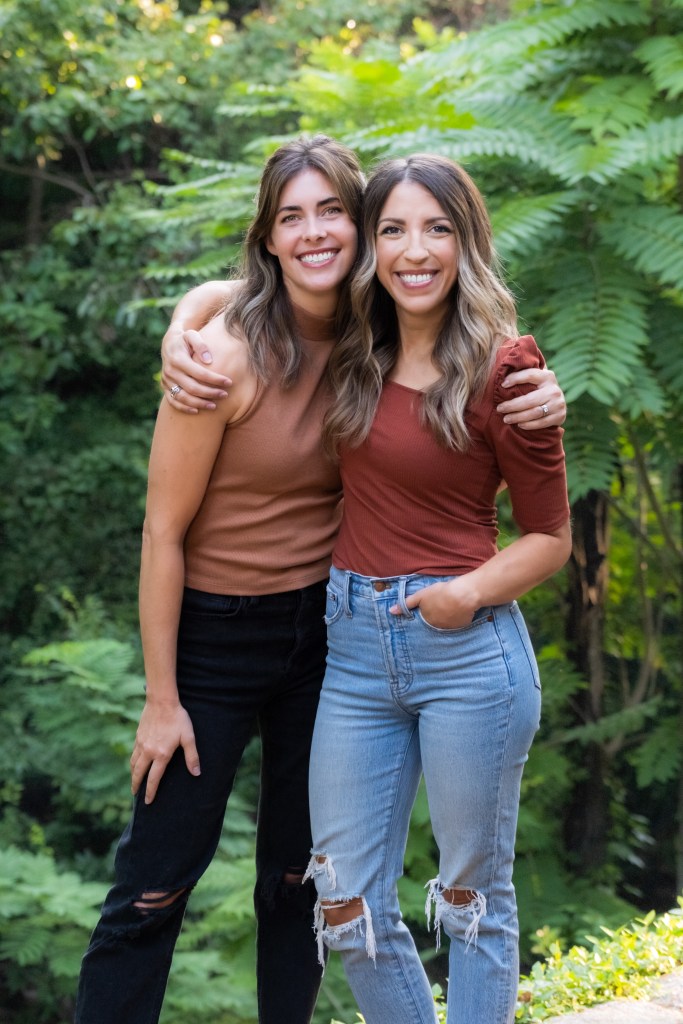
About the Authors:
Victoria Robb Powers is the Senior Pastor at Royal Lane Baptist Church in Dallas, Texas, and is the first female to pastor a Baptist church in the DFW Metroplex. She is a graduate of Baylor University and Brite Divinity School at TCU in Fort Worth. Victoria lives with her husband and three children in Lake Highlands. She loves to read, write, preach and teach.
Cameron Mason Vickrey is a graduate of Furman University and Wake Forest University School of Divinity. She currently works for Fellowship Southwest, sharing stories of ministry and mission along the US–Mexico border and advocating for migrants. She is also passionate about public education, and co-founded a nonprofit called RootEd, galvanizing parents of public school children to tell their stories and become advocates. Cameron lives in San Antonio with her family.
For more from Victoria and Cameron:
https://www.instagram.com/reverendmamas/

Gabriela Yareliz
Gabriela is a writer, editor and attorney. She loves the art of storytelling, and she is based in NYC.
 MODERN WITNESSES